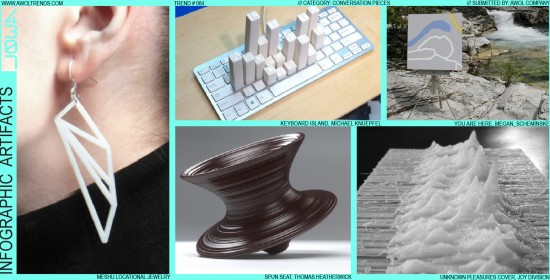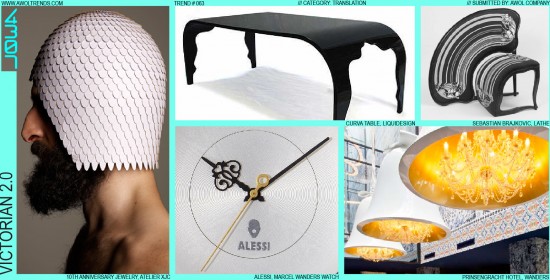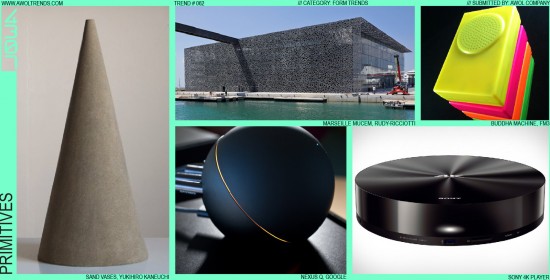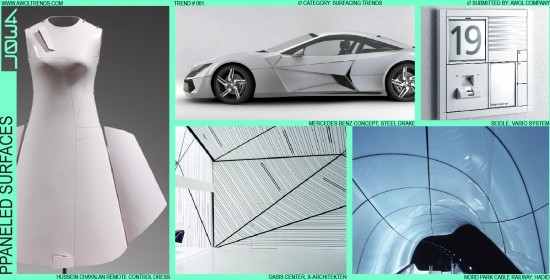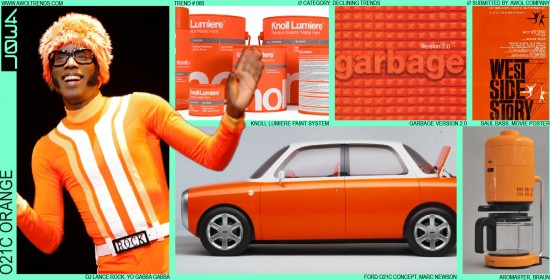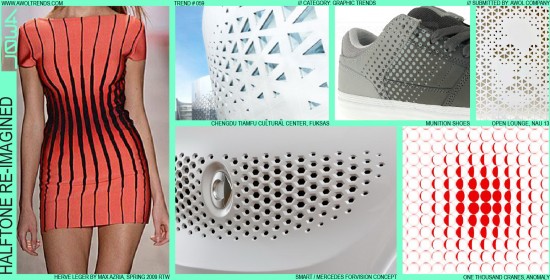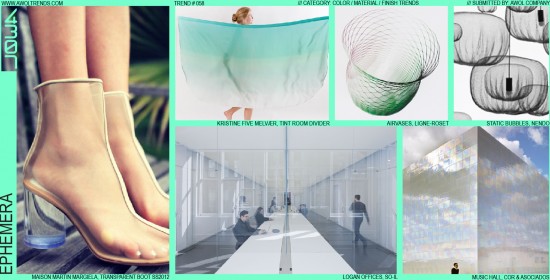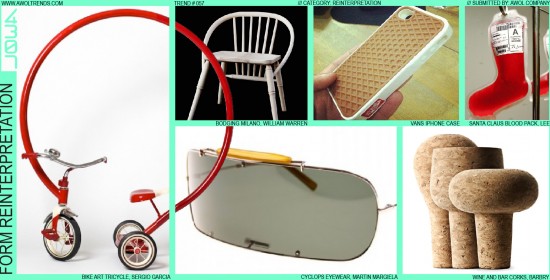
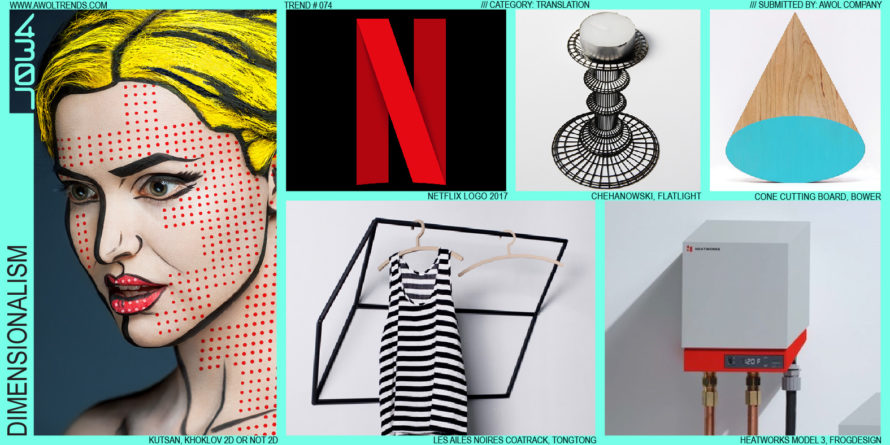
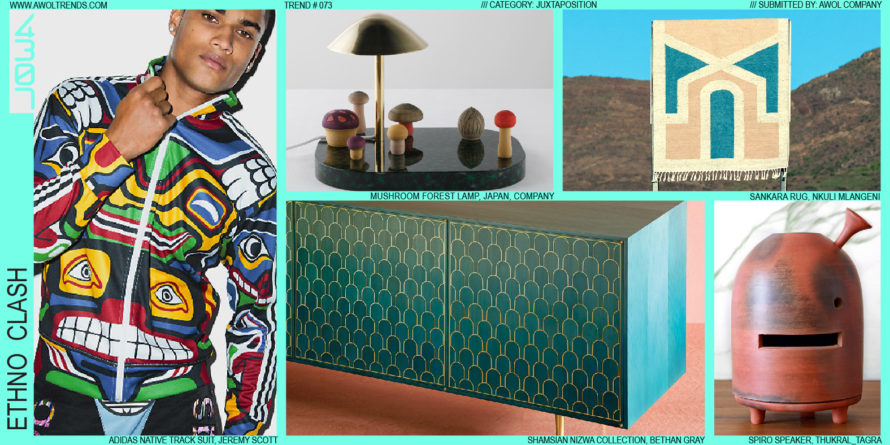
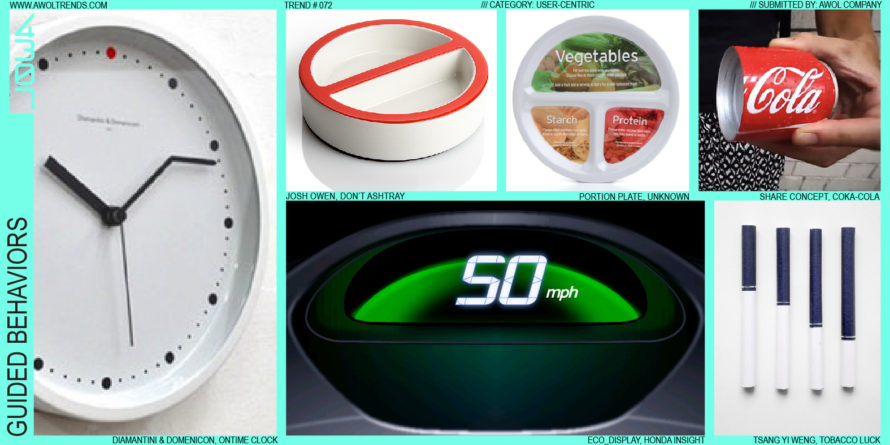
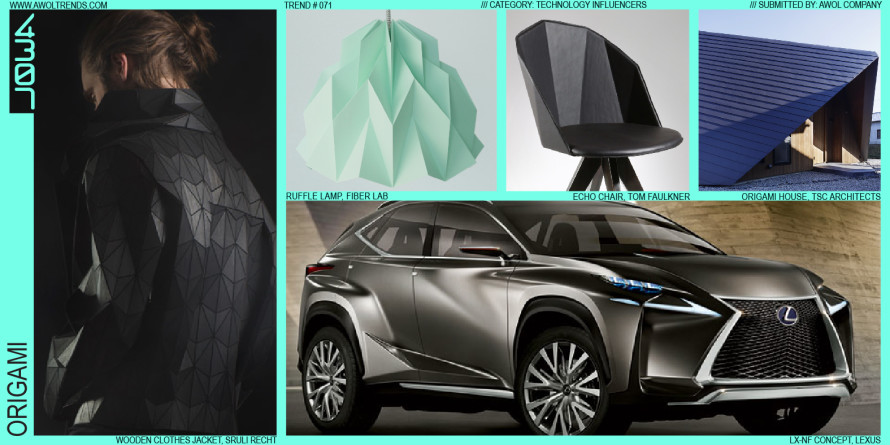
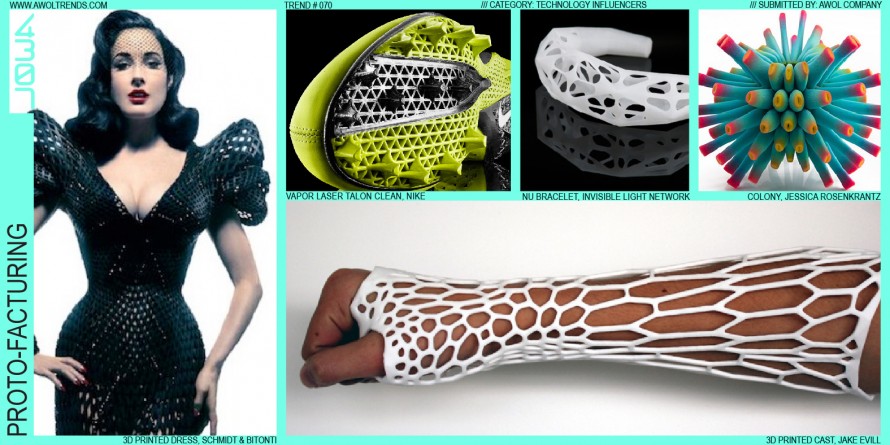
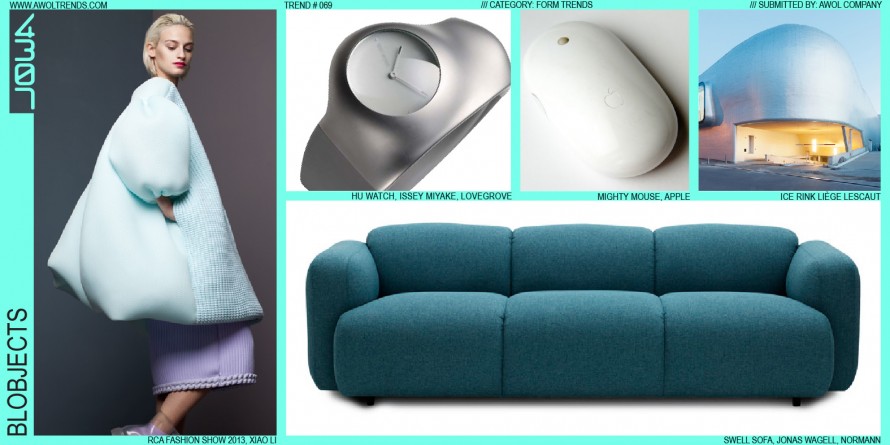
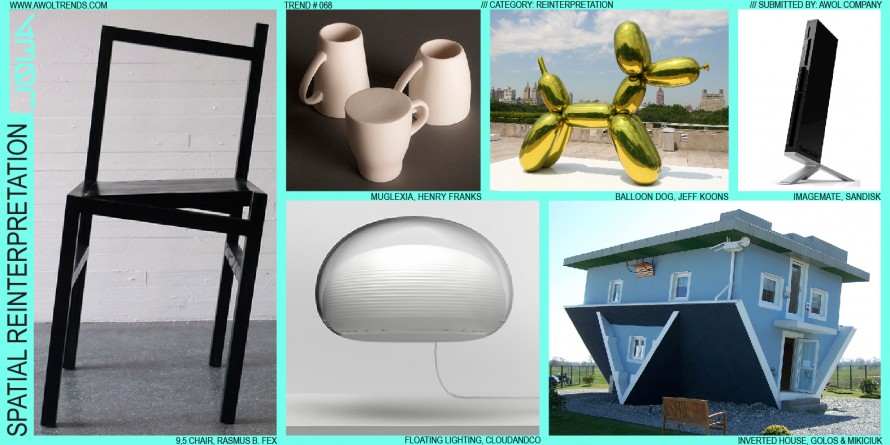
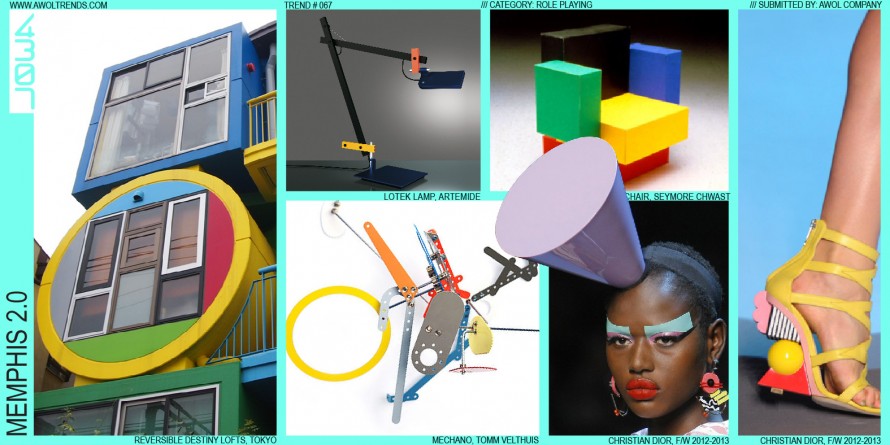
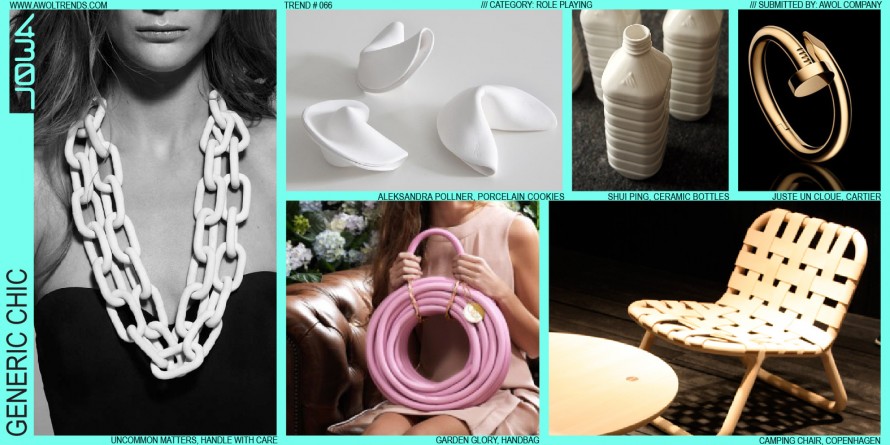
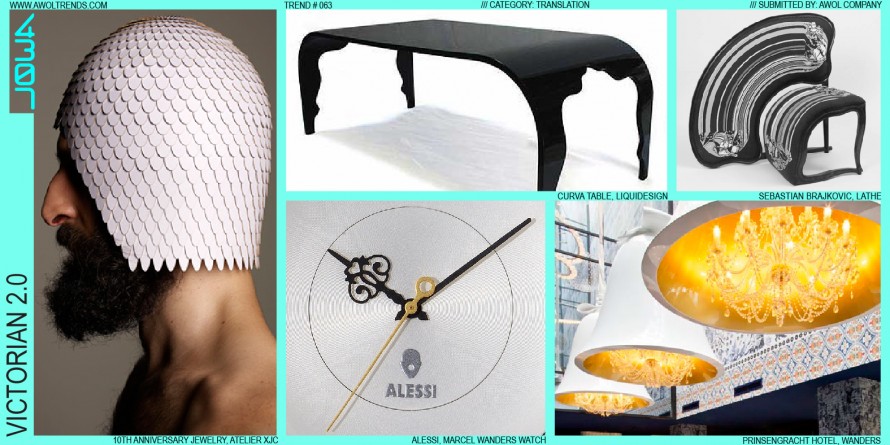
With the misinterpretation of designers as “form-givers” yielding highly complicated, over-styled forms, several aesthetic themes have emerged to bring restraint and confidence to this over-worked design element. One of the most interesting to emerge has been Monolithic Forms. This stylistic mode involves an interplay of key elements: minimalism, massiveness, and...
Read more
DESIGN MASTURBATION
Designers can be like busy beavers: even when not working on a client’s project for pay, they are always applying their talents to the world around them. Beavers not engaged in the grueling task of dam-building still have to sharpen their teeth and claws on any unsuspecting tree to keep...
Read more
MATERIAL/TEXTURE CONTRAST
The 2000’s is the decade that designers, in all industries and categories, rediscovered texture. As Minimalism moved through the aesthetic landscape, highly simplified, clean, understated forms became predominant. However, to offset the potential visual boredom these simple shapes can suffer from, designers sought to break them up with the juxtaposition...
Read more
CHROMATIC GELS
There are only so many colors in the world. Despite Pantone’s claims to “invent” new colors, many of today’s designers are obsessing less about which exact PMS to specify, and more about how transparent it should be. Chromatic Gels is a trend that is finding traction from Architecture to Furniture:...
Read more
ENABLING PROCESSES
One of the most exciting endeavors for designers in any category is the chance to work with a completely new medium. By exploring the unique nature of a novel material, or employing a new manufacturing process to an existing material, new materials and processes bring the potential of incredibly unique...
Read more
BIOTECH
The BioTech trend evolved as structural and material technologies began to intersect directly with the human form. Instead of considering tools as being externally operated by the human body, this aesthetic mode seeks to harmonize technology with the human form, creating a symbiotic relationship that is present in footwear, body-worn...
Read more
ANGULAR FRAMEWORK
Many industries have relied on forms constructed of rigid angular geometries for ages. From bicycles to bridges, designers and architects know the value of the inherent strength and economy of resources that characterize this method. In recent years, designers in many other categories have adopted Angular Frameworks in fresh and...
Read more
RATIONALISM
We humans like to make our mark on the world: building structures, manufacturing products, creating systems both physical and virtual. When not a purely artistic endeavor, these works of ours usually bear the signs of a rational thought process, as opposed to the more organic evolutionary structures preferred by nature...
Read more
ICONIC PIPING
Iconic designs can embed themselves as powerful symbols in our minds, having the mental stickiness to persist for decades in our collective memory. An icon can be created via any type of design element: pattern (like Burberry tartan), color (Kodak Yellow or John Deere Green), or brand mark (the Google...
Read more
MACRO PATTERNS
Up until recently, adorning entire surfaces with subtle repeating textures was only found in specific textile-based industries, such as handbags, footwear, and other fashion accessories. Seeing the luxurious visual properties inherent in a material like diamond-quilted black patent leather (as on the classic Chanel handbag), designers in other industries took...
Read more